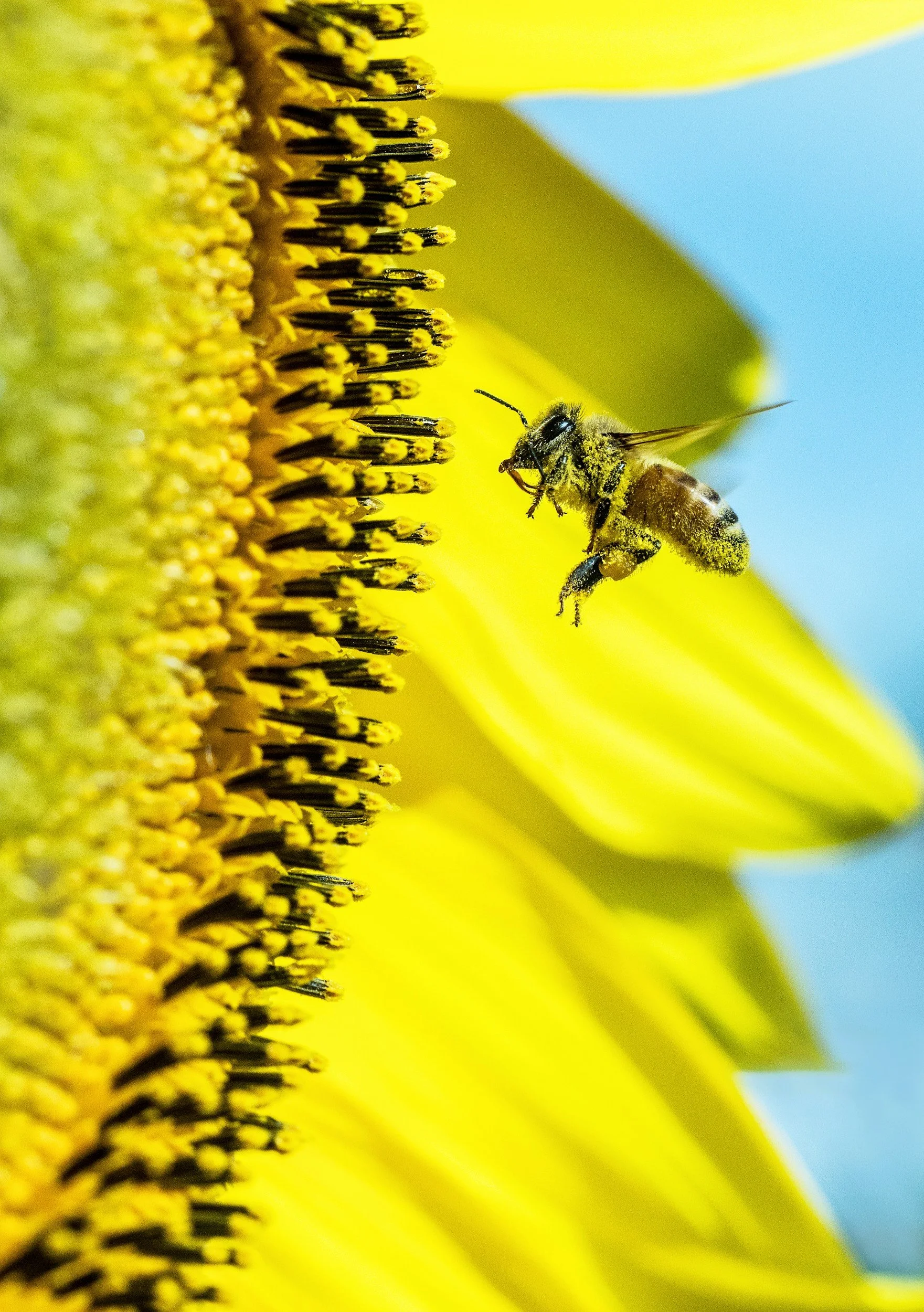
Honeybees as Biosensors: A National Pilot Program
RAWG is launching a first-of-its-kind national research and pilot program that deploys honey bee colonies as living biosensors of pesticide drift, generating the spatially explicit contamination data that organic field crop producers and regenerative beekeepers urgently need.
We submitted a $3.5 million research proposal to USDA's Organic Research and Extension Initiative (OREI) in May 2026. The application, titled "Honeybees as Biosensors: A Spatial Contamination Risk Assessment Tool for Organic Field Crop Producers and Organic Honey Identity Analysis," is co-led with Kansas State University, University of Nebraska–Lincoln, and Michigan State University. We are awaiting the award decision, and we are raising private support so this work moves forward either way. The need is urgent and the science is ready.
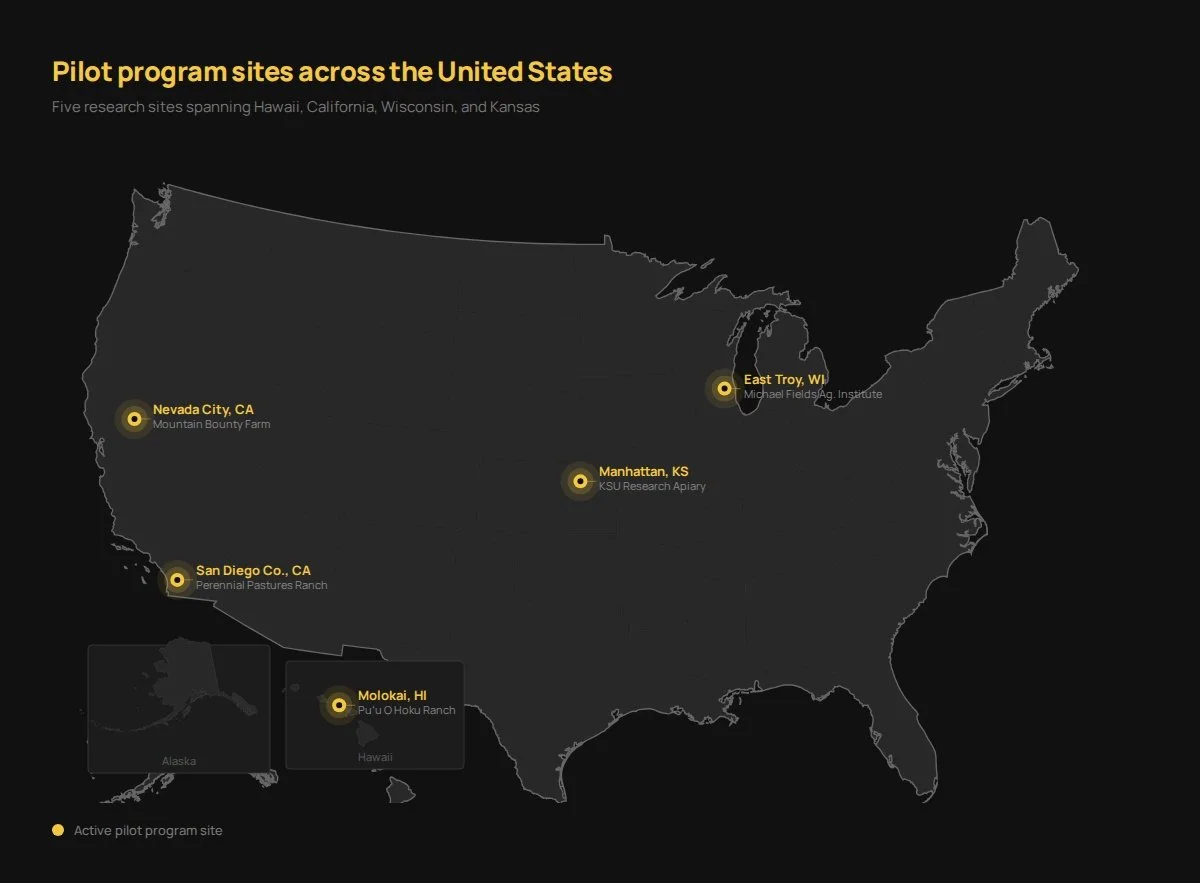
Our five-site national network spans diverse climates, land management systems, and contamination pressure gradients, generating findings that are broadly applicable to organic producers and beekeepers across the country. Our commercial beekeeping operations are engaged through formal Memoranda of Understanding, each managing hives at one of our five pilot sites under apicultural practices that align with our outcomes based regenerative apiculture standard.
Where We Work: Five Pilot Sites Across the U.S.
SUPPORT AMERICA’S BEEKEEPERS
-
16,000-acre biodynamic and USDA-certified organic ranch. One of the only landscapes in the U.S. where honey bee colonies are free of Varroa destructor, providing a uniquely clean biological baseline. Serves as our low-exposure reference anchor. Beekeeper Partner + Wildlife Technician: Blaze Juario.
-
CCOF-certified organic working farm (29.99 certified acres) on the San Juan Ridge in the Sierra Nevada foothills. The oldest and largest CSA farm in the Sierra Nevada, surrounded by wild forest with minimal adjacent conventional pressure. Apiary managed by Spencer Wingfield, Wingfield Honey Company.
-
210-acre MOSA-certified organic research farm in the Kettle Moraine landscape, adjacent to 1,000+ additional certified organic acres. Represents the Midwest conventional-edge context most typical of the contamination pressure facing organic field crop producers nationally. Beekeeper partner selected via RFP upon award.
-
140-acre regenerative beef operation in oak savannah and sage scrub. Operates under organic-aligned practices without synthetic inputs. Included as a non-certified comparison site. Apiary managed by Gary Lau, Golden Coast Apiary.
-
Kansas State University's research apiary embedded in native Flint Hills prairie within a conventionally farmed Great Plains landscape. Serves as a natural reference site and primary analytical hub.
Why This Research Is Needed
Certified organic field crop producers across the United States face a persistent, largely invisible threat: pesticide drift from adjacent conventional operations. A single contamination event can trigger decertification, market loss, and financial hardship. Producers currently have no reliable, spatially explicit tools to detect, document, or anticipate contamination before it becomes a crisis.
At the same time, the integrity of organic honey in the U.S. marketplace is undermined by widespread adulteration and the absence of science-based identity standards. Domestic beekeepers who invest in clean, verifiable production cannot prove the quality of what they produce, and they cannot compete with fraudulent imports priced below the real cost of honest beekeeping.
These two problems have the same solution: honey bees.
Honey Bee Colonies as Living Biosensors
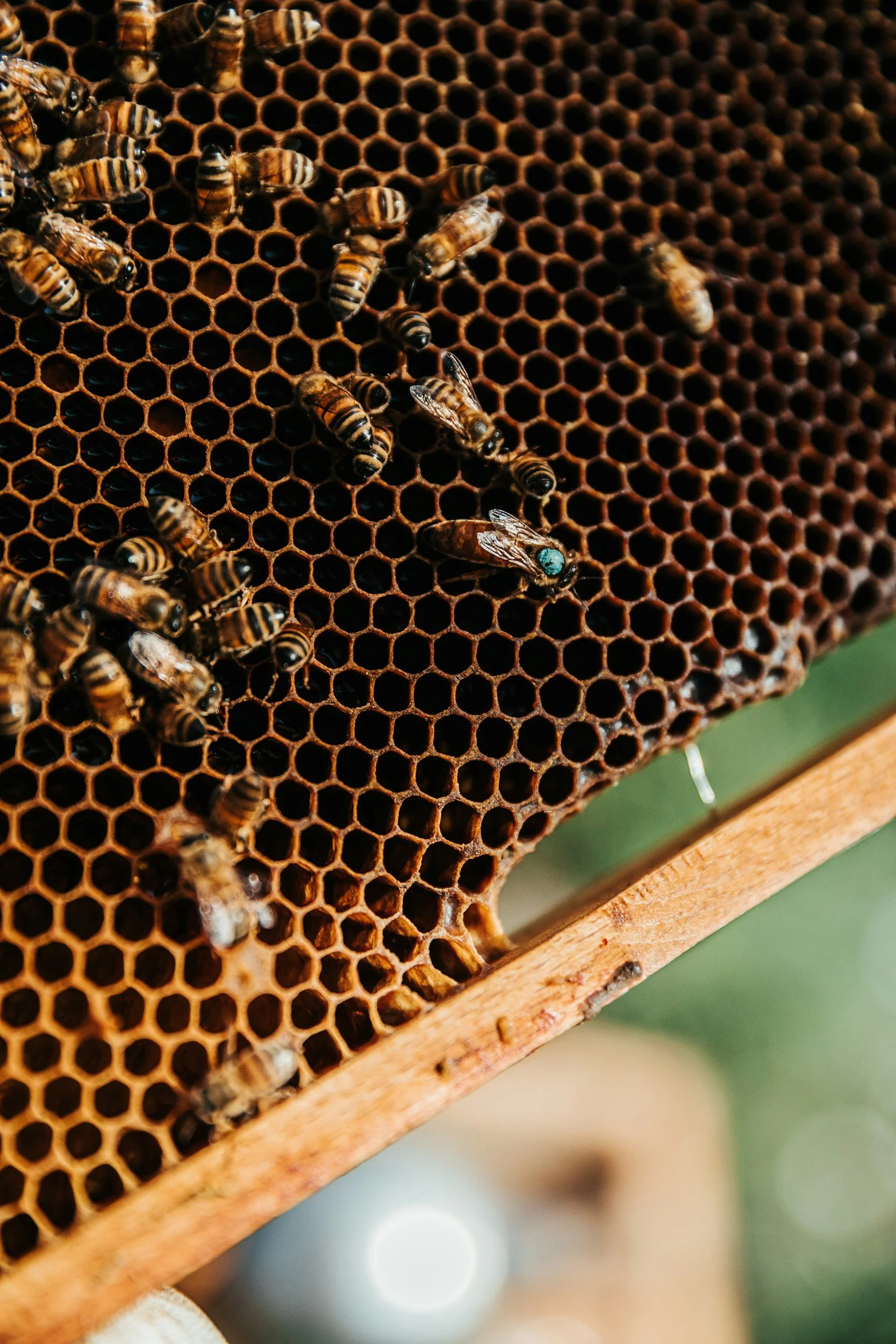
Honey bees forage across one to three miles of landscape, collecting pollen, nectar, and inadvertently, the chemical signatures of their environment. Hive products, including pollen, wax, honey, and bee bread accumulate and concentrate those signals over time. That makes a honey bee colony uniquely powerful as a biological monitoring system: not a passive trap at a single point, but an integrated sensor sampling an entire foraging landscape.
This project validates and deploys that biosensing capability at five geographically diverse U.S. sites, generating the first multi-region, standardized dataset linking pesticide exposure profiles to specific land management systems and organic certification status.
Three Core Objectives
Validate honey bee colonies as field-deployable biosensors for detecting pesticide drift at certified organic farm boundaries
Characterize the chemical and biological composition of honey from diverse land management systems to develop apicultural terroir and honey identity documentation frameworks
Translate validated biosensing methods and honey identity tools into practical decision-support resources, extension curriculum, and best management practice guides for organic producers and beekeepers nationwide
Honey Bee Colonies as Living Biosensors
Honey bees forage across one to three miles of landscape, collecting pollen, nectar, and inadvertently, the chemical signatures of their environment. Hive products, including pollen, wax, honey, and bee bread accumulate and concentrate those signals over time. That makes a honey bee colony uniquely powerful as a biological monitoring system: not a passive trap at a single point, but an integrated sensor sampling an entire foraging landscape.
This project validates and deploys that biosensing capability at five geographically diverse U.S. sites, generating the first multi-region, standardized dataset linking pesticide exposure profiles to specific land management systems and organic certification status.
Three Core Objectives
Validate honey bee colonies as field-deployable biosensors for detecting pesticide drift at certified organic farm boundaries
Characterize the chemical and biological composition of honey from diverse land management systems to develop apicultural terroir and honey identity documentation frameworks
Translate validated biosensing methods and honey identity tools into practical decision-support resources, extension curriculum, and best management practice guides for organic producers and beekeepers nationwide
University & Research Partners
Four leading research universities form the scientific core of this program, each contributing distinct and complementary expertise.
-
Lead institution. Honey compositional analysis, pesticide residue testing, hive health monitoring, and project administration. Led by Dr. Brian McCornack, Professor and Department Head of Entomology; Director, American Honey Institute at KSU.
-
Extension lead. The Great Plains Master Beekeeping (GPMB) program reaches 5,000+ registered beekeepers across 8 states through 29 teaching apiaries. Led by Dr. Judy Wu-Smart, Associate Professor and Extension Specialist, UNL Bee Lab.
-
Geospatial analysis and remote sensing. Landscape modeling, contamination risk mapping, and web-based decision-support tool development. Led by Dr. Anthony D. Kendall, Assistant Professor, MSU Hydrogeology Lab; with Dr. Jacob Stid, Geospatial Analysis Specialist.
-
Scientific advisory. Multi-residue LC-MS/MS and GC-MS/MS analytical methodology. Dr. Scott McArt, Associate Professor of Pollinator Health, Director of Graduate Studies, Department of Entomology; Director, Dyce Lab for Honey Bee Studies and Cornell Chemical Ecology Core Facility.
Advisory Board
A ten-member Regional Advisory Board (RAB) draws on practitioner expertise from across the organic producer, commercial beekeeper, culinary industry, certifier, and regenerative agriculture communities.
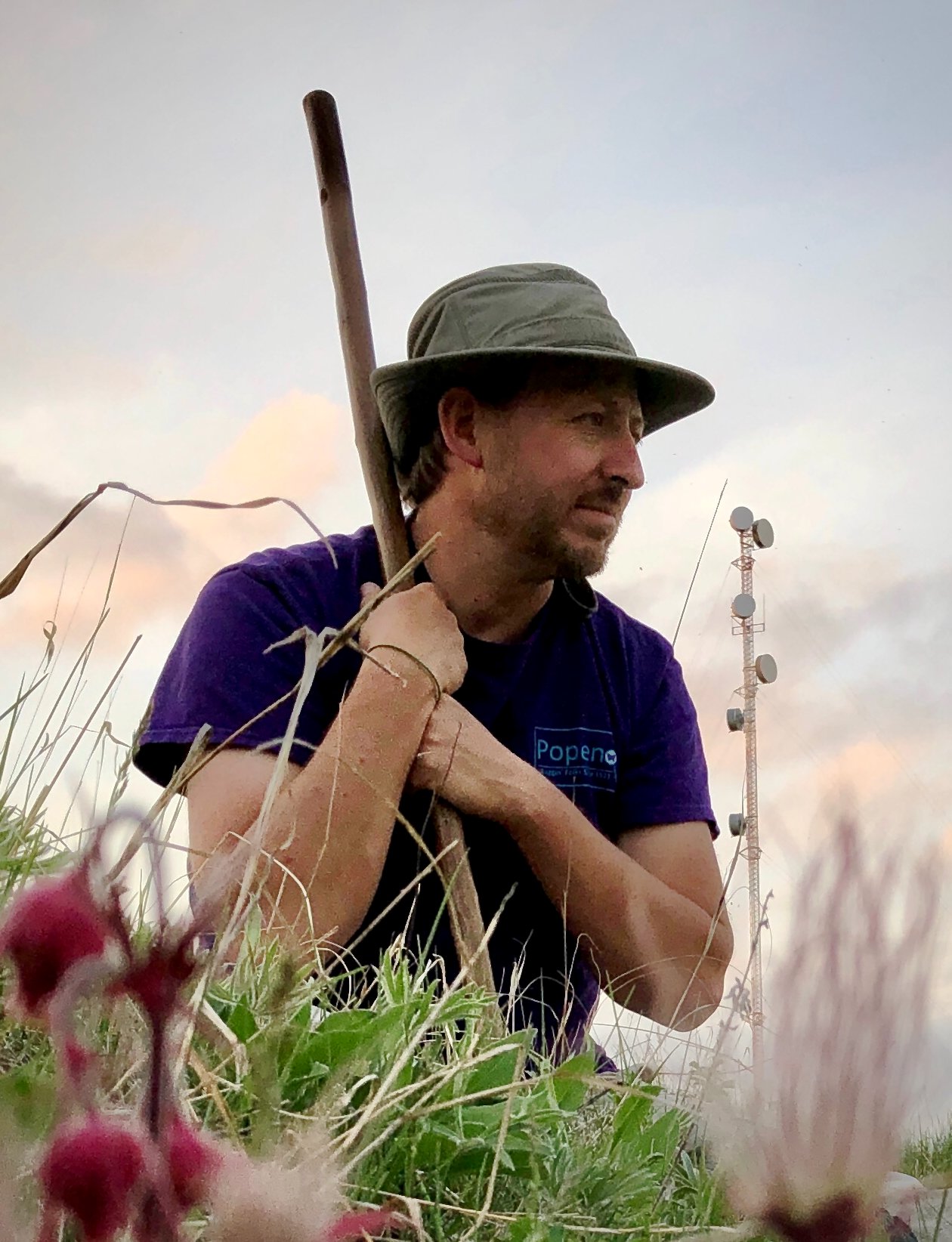
Founder of Ecdysis Foundation and Blue Dasher Farm (SD). Former USDA-ARS senior scientist; Presidential Early Career Award recipient; author of 163+ peer-reviewed publications. Administers the 1,000 Farms Initiative (~1,800 farmer participants).
Dr. Jonathan Lundgren
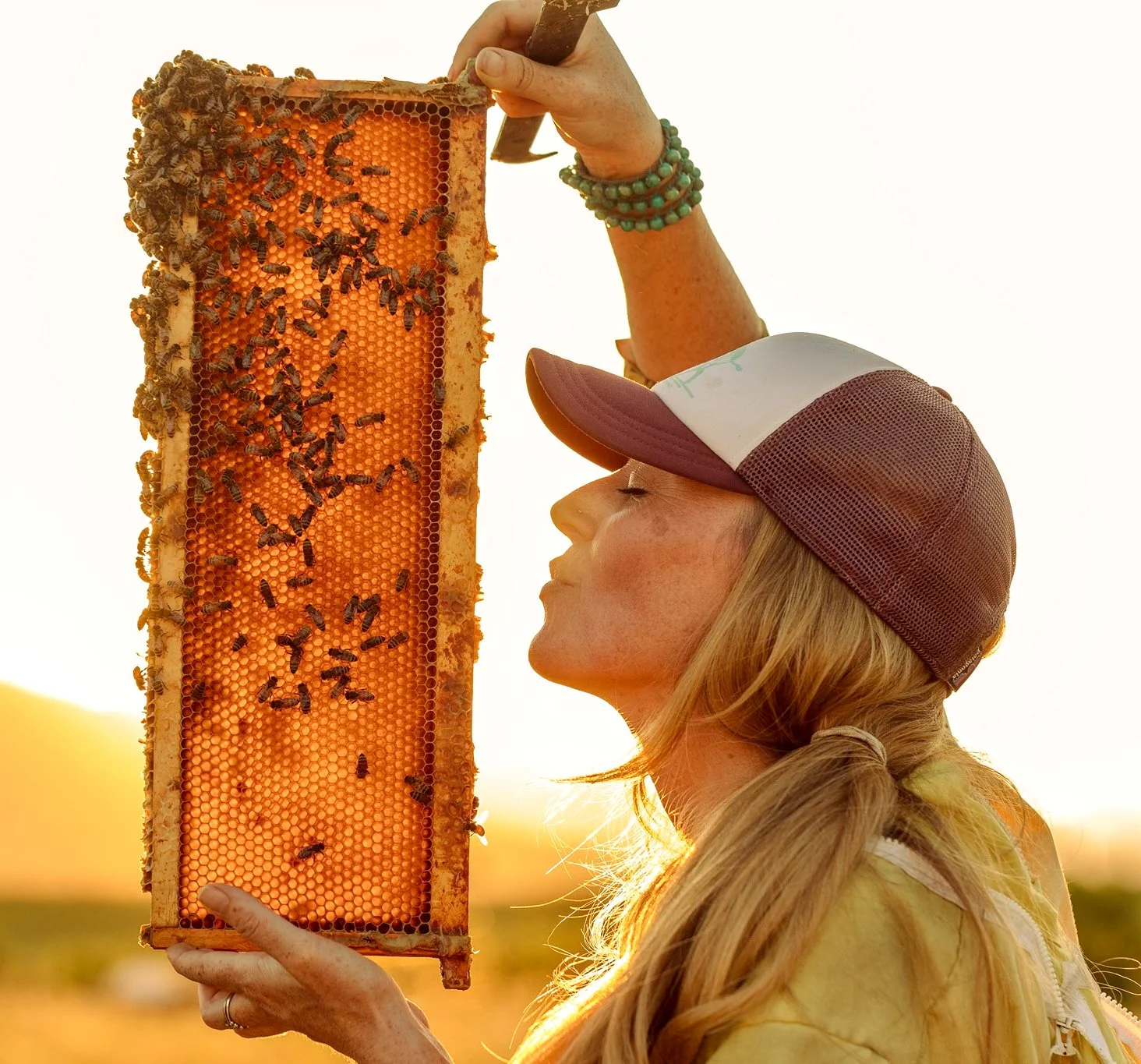
Executive Director and Founder, Bee Regenerative ("Bee Girl"); Former President, Western Apicultural Society; Board Member, Northwest Farmers Union; Kids and Bees Director, American Beekeeping Federation. Beekeeper education and grassroots connectivity.
Sarah Red-Laird

Founding Executive Director, Regenerative Organic Certified (ROC) standard; 25+ year veteran of organic certification, including 16 years as Compliance Director at CCOF, the certifying body for two of our primary anchor sites.
Elizabeth Whitlow

Director of Regenerative Programs, Dr. Bronner's Magic Soaps. Co-architect of the Regenerative Organic Certification (ROC) with Rodale Institute and Patagonia. 20+ years in food and farm justice
Ryan Zinn
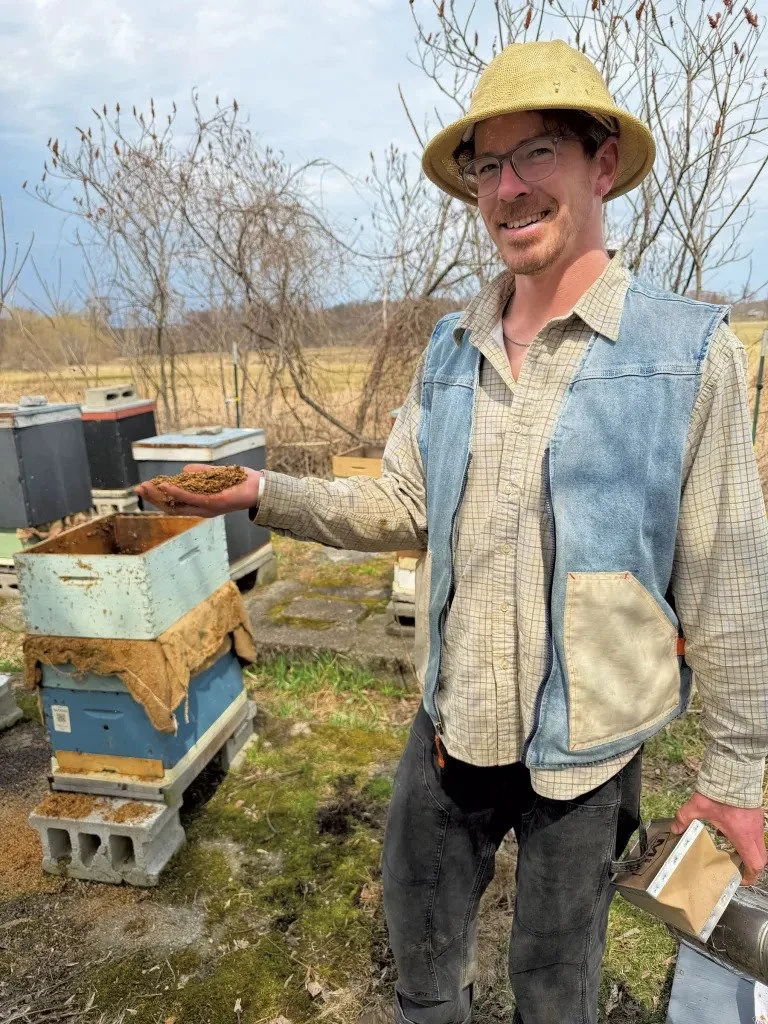
Fourth-generation beekeeper and President, Champlain Valley Apiaries, Middlebury, VT (1,200+ hives, 90+ year family operation). Active with the Pollinator Stewardship Council, Vermont Beekeepers Association, and One Hive Foundation.
Curtis Mraz
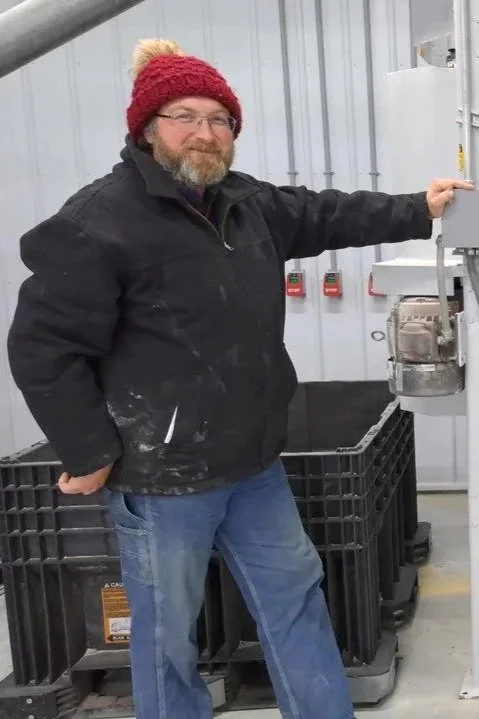
MD, FACC | Board-certified cardiologist and President of three certified organic enterprises: Long Winter Farm, Rooster Milling, and Rancho Relaxo (East Troy, Wisconsin). Certified organic field crop producer and pilot site adjacent landowner.
Dr. Graham Adsit
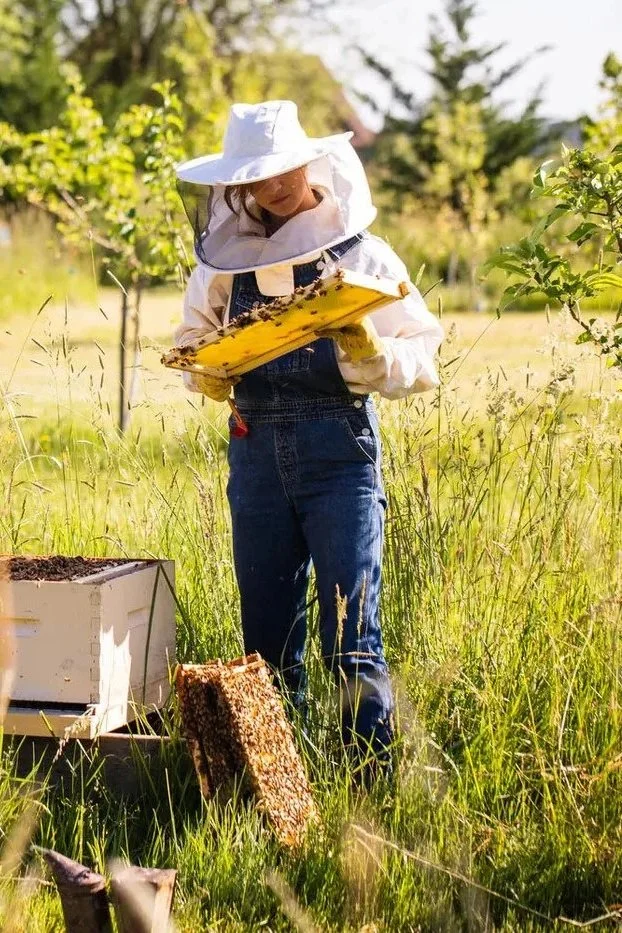
Impact Program Lead and Head Beekeeper, Jacobsen Salt Co., Portland, OR. Represents both premium artisan buyer and practicing beekeeper perspectives on honey identity and supply chain transparency.
Emily Schmiedel
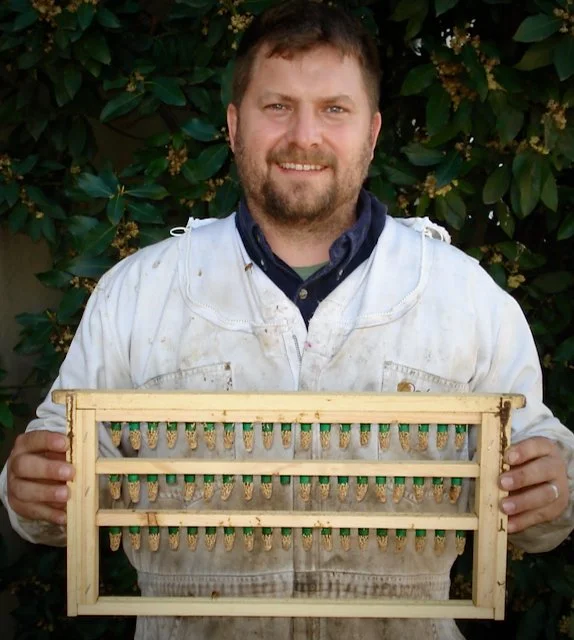
Third-generation commercial beekeeper, California Apiaries LLC; Executive Board Member, Sioux Honey Association Co-op — one of the largest honey cooperatives in the U.S. (250+ member producers, ~60M lbs honey annually).
Matt Beekman
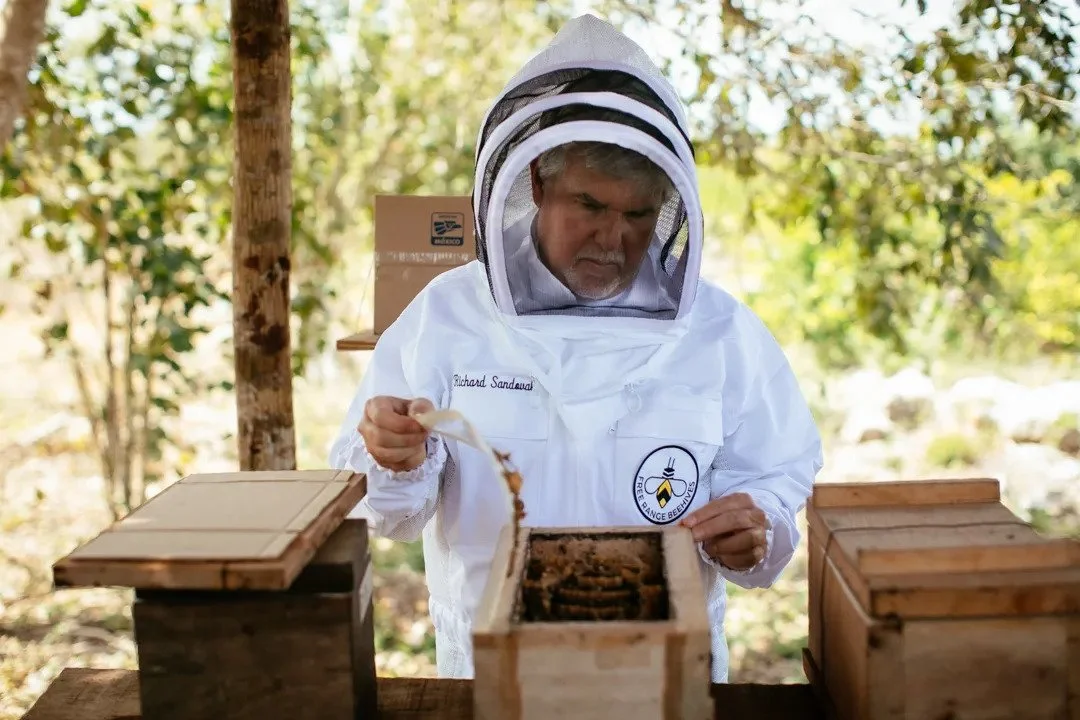
Founder & CEO, Richard Sandoval Hospitality (60+ restaurant locations across 13 countries). Operator of Viva Abejas bee sustainability initiative. Represents the premium culinary demand side for verified organic honey.
Chef Richard Sandoval
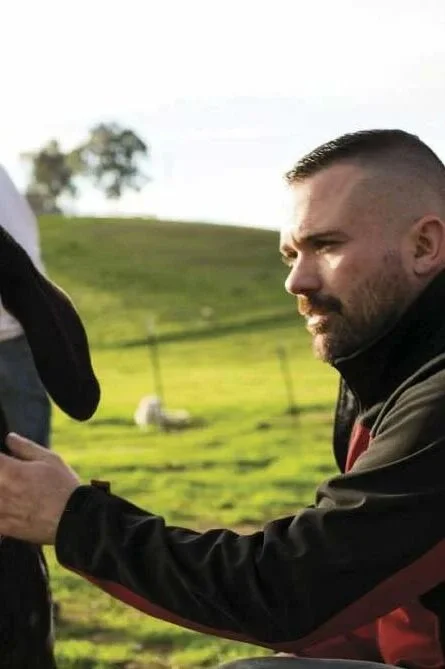
CIA-trained Chef and VP of Culinary for Higher Education, American Dining Creations. Former Culinary Director, Monterey Bay Aquarium. Institutional demand-side representative with experience scaling science-based sourcing standards.
Matthew Beaudin
Technology & Equipment Partners
Cutting-edge precision beekeeping technology is deployed across all five pilot sites to enable real-time colony health monitoring.
-
Precision beekeeping sensor systems deployed at all five study sites. UBees hive monitors measure the distribution of internal hive heat and acoustics, flagging anomalies in real-time and triggering targeted beekeeper inspections. This allows the research team to detect and respond to hive health events in real time — not just monthly.
-
Full analytical chemistry infrastructure for pesticide residue analysis, including Agilent 6425 triple quadrupole LC-MS/MS, Waters Absolute TQ LC-MS/MS, and Agilent 8890 GC-MS/MS systems.
-
Supporting honey composition and pollen identification analyses.
-
Cloud-enabled geospatial workflows, remote sensing analysis, and spatial modeling infrastructure supporting contamination risk mapping.
Program Timeline
The program spans three years (September 2026 – August 2029), with activities organized around three phases:
Year 1 (Sep 2026 – Aug 2027): Site setup, colony establishment, Regional Advisory Board kickoff, first biosensing sampling rounds, passive honey submission program launch
Year 2 (Sep 2027 – Aug 2028): Active sampling continues, geospatial model development, in-person RAB field day, draft best management practice guides, extension curriculum development
Year 3 (Sep 2028 – Aug 2029): Final data synthesis, tool validation, 4+ peer-reviewed publications, NOP/NOSB industry briefing, final evaluation report
Fund the Work — Donate Today
We submitted this project to USDA's Organic Research and Extension Initiative in May 2026. We are awaiting the grant decision. But this work is too important to wait.
Your donation directly funds the infrastructure that makes this national program possible — above all, the Program Director position at RAWG that is coordinating field sites, beekeeper partnerships, university research teams, and stakeholder engagement across five states and Hawaii.
Why the Program Director Role Matters
Emily Rajcic, RAWG's Project Manager and RAB Coordinator, is the connective tissue that holds this network together: managing beekeeper subcontracts, coordinating sample logistics across five sites, administering the Regional Advisory Board, and liaising with the university research team. Funding her salary is the most direct way to ensure this program moves forward — with or without the federal grant.