
Clean Honey. Clean Standards. Healthy Lands.
We are RAWG, a 501(c)(3) creating the first verifiable standard for regenerative apiculture.
We transform beehives into biological data networks to strengthen and validate the health of American landscapes, while empowering the beekeepers, farmers, and ranchers who protect our food supply and steward our land.
What Is Regenerative Apiculture?
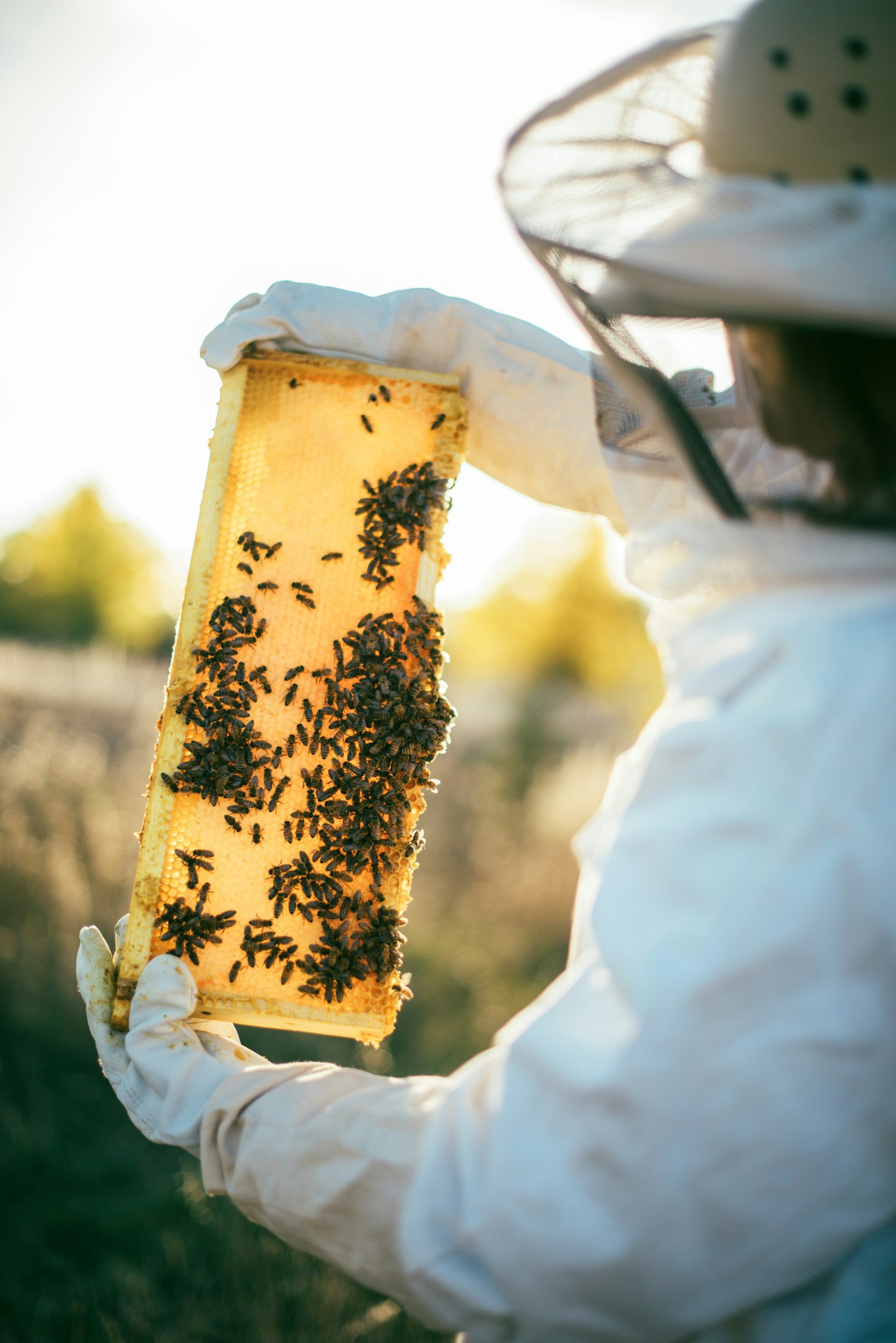
Regenerative Apiculture is beekeeping that measurably improves the health and resilience of honey bees, generates positive interactions between honey bees and surrounding ecosystems, supports beekeeper livelihoods, and enables human food systems, and the biosphere to thrive.
-
Beekeeper livelihoods and our landscapes are being squeezed from both directions.
The Honey Fraud Crisis: Honey is the third most faked food globally. Over three quarters of United States shelf honey is estimated to be fake or diluted, costing honest domestic beekeepers roughly 1 billion dollars in economic damage from 2015 to 2019.
The Pollinator Crisis: Bees are dying at chronic rates from pests like varroa, pathogens, and pesticide exposure. Because of farm consolidation and monocropping, honey bees and native pollinators are forced to compete for the same shrinking forage base.
The Research Gap: There is a chronic lack of applied research that actually helps beekeepers make local, context-specific decisions on the ground.
-
RAWG does not treat these as separate fights. We use the beehive as a shared data source to prove that a working ranch or farm can produce clean, verified honey, support pollinator health, and open doors between historically separate stakeholders all from the exact same acre.
-
When regenerative apiculture is practiced at scale, it transforms the entire food and agricultural landscape.
Guaranteed Purity: Honey purity and cleanliness are verified through advanced laboratory testing and strict chain-of-custody protocols.
True Hive Resilience: Honey bee health and colony resilience improve dramatically through diverse, year-round native nutrition.
Secure Livelihoods: Transparent, traceable supply chains reward integrity instead of punishing honest producers with suppressed market prices.
Measurable Ecosystem Gains: Demonstrable biodiversity and landscape gains are made across soil, water, plant, and wild pollinator systems.
How We Work
A three-step pipeline turning boots-on-the-ground data into national standards.
Convene: The Roundtable
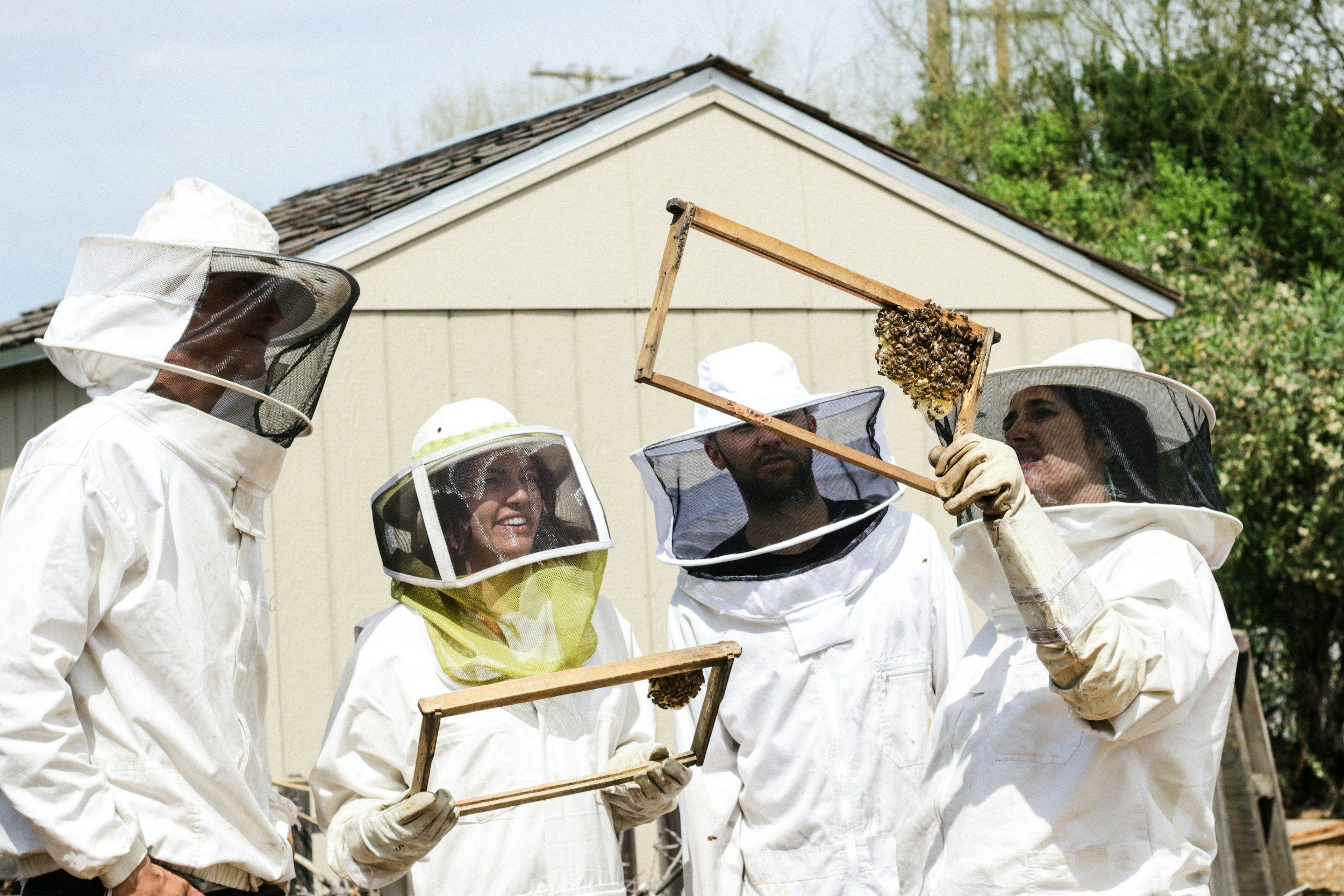
We serve as the roundtable driving crucial conversations. We align beekeepers, land stewards, tech platforms, and academic researchers under a single shared framework for landscape stewardship.
Deploy: The Pilot Apiaries
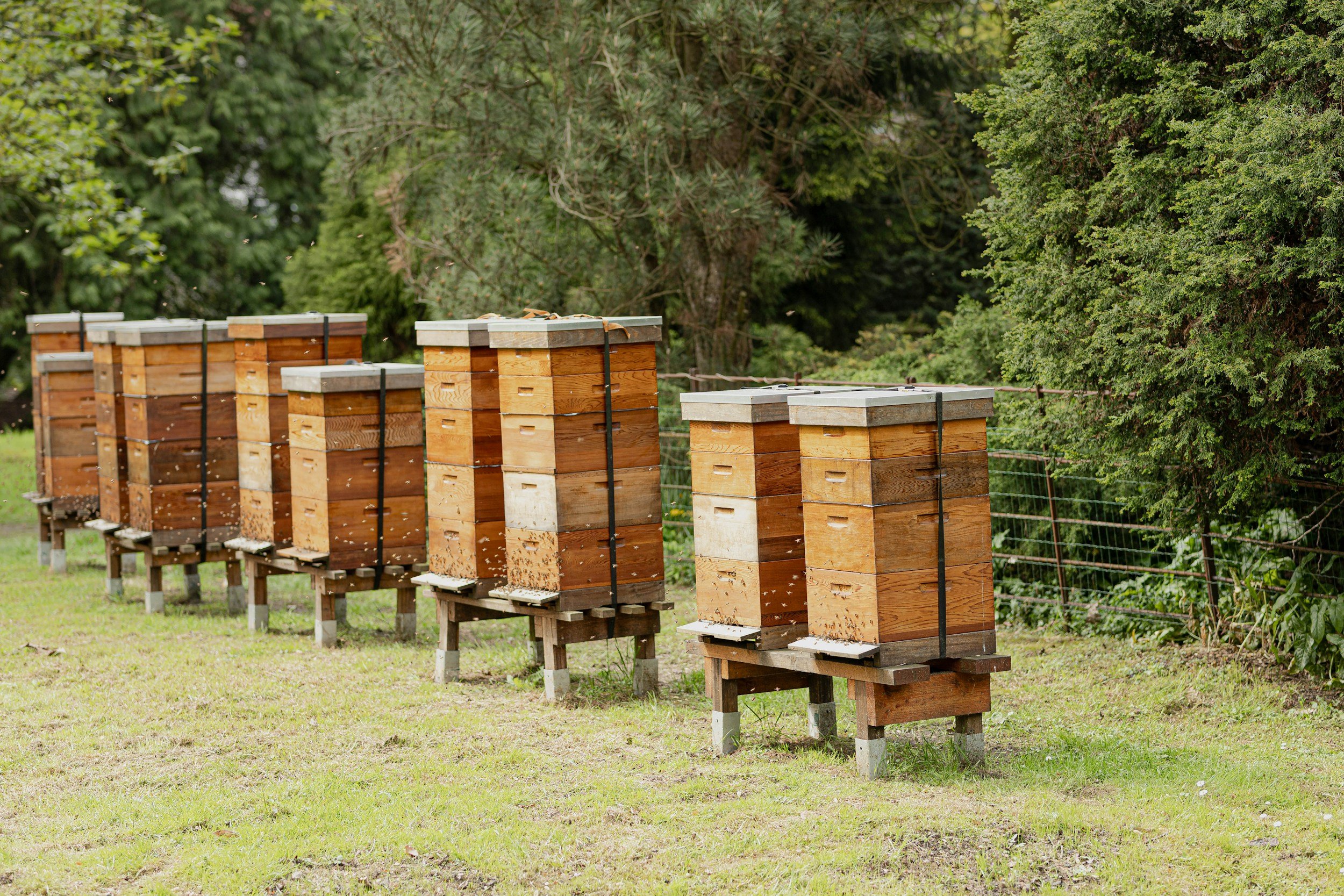
We run live pilot apiaries across America’s largest regenerative operations, working lands, and conservation acreage. We integrate smart sensors into our hives to track ecosystem health while supporting and employing domestic beekeepers on the ground.
Analyze: Applied Research
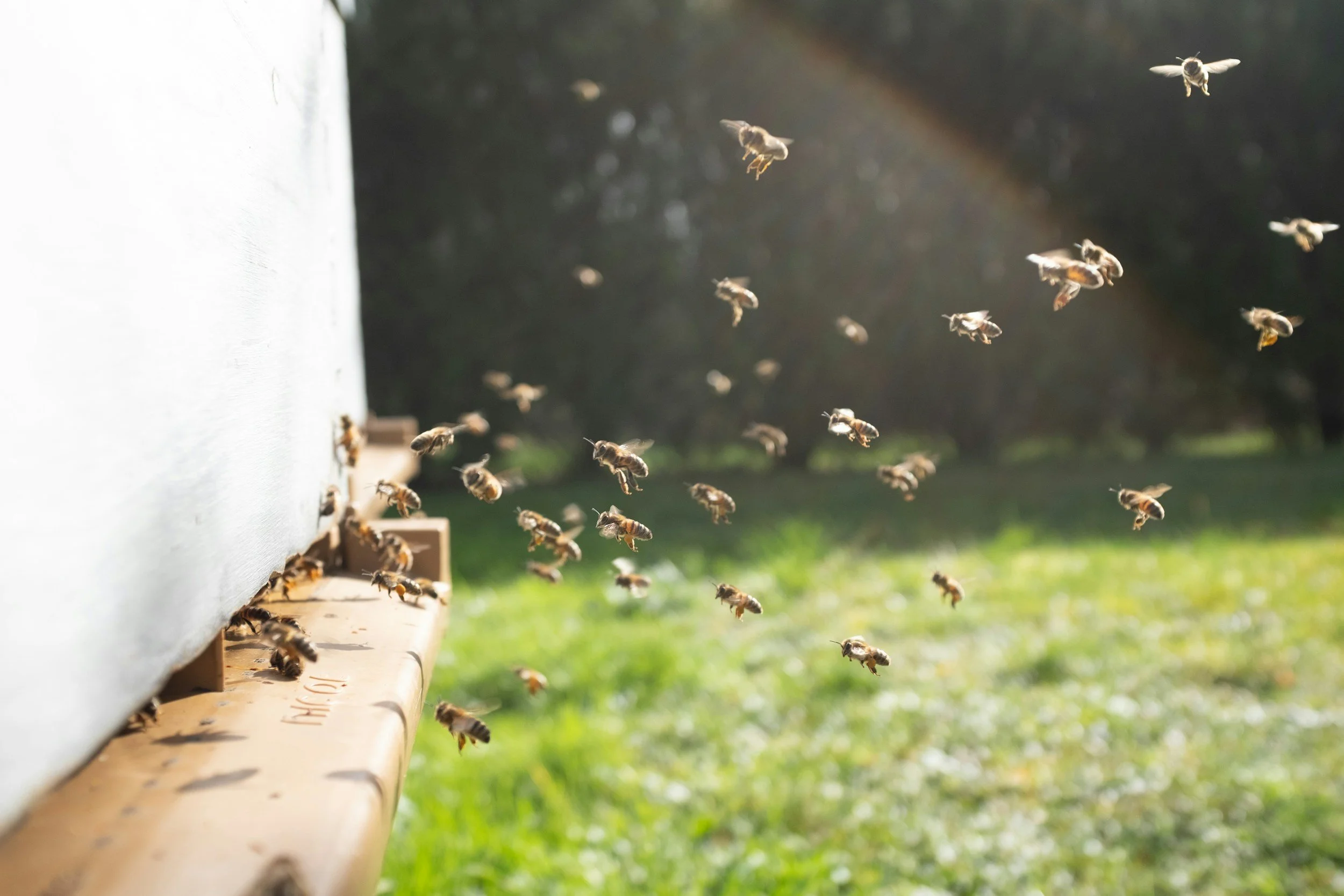
Every pilot site feeds real honey samples and data directly into our academic research pipeline, including America's first Honey Lab. This data maps contamination pathways, verifies absolute purity, and directly informs future regenerative apiculture and agriculture frameworks.
Systems-level change requires deep alignment.
We invite family foundations, forward-thinking agricultural philanthropists, and landowners who share our vision for ecological resilience and domestic food security to connect with us. Detailed budgets, pilot data layers, and research frameworks are available upon request.
Join the Coalition
Clean honey, healthy bees, biodiverse land, and a secure livelihood. At RAWG, we do not treat those as separate goals. Whether you steward thousands of acres, manage an apiary, run a lab, or want to fund the next ecological breakthrough, there is a place for you at our table.